South Africa’s Path to Decriminalising Sex Work: A Landmark Legal Shift
South Africa is on the brink of a historic transformation in its legal landscape. The Western Cape High Court is currently deliberating a pivotal case that could decriminalise sex work, marking a significant milestone in the country’s human rights journey. This development has been met with both anticipation and controversy, reflecting the complex nature of the issue at hand.
The Legal Battle: A Turning Point for Sex Workers
At the heart of this legal upheaval is the Sex Worker Education and Advocacy Taskforce (SWEAT), a prominent organisation advocating for the rights of sex workers. SWEAT contends that the criminalisation of sex work exacerbates vulnerabilities, exposing individuals to increased violence, exploitation, and health risks. The organisation argues that decriminalisation would empower sex workers to report abuses without fear of legal repercussions, thereby enhancing their safety and access to justice. Read more.
The case has garnered significant attention, with human rights groups such as Human Rights Watch and Amnesty International participating as amici curiae, underscoring the global significance of the issue. Source.
Government’s Stance and Legislative Developments
In 2022, the South African Cabinet approved the publication of the Criminal Law (Sexual Offences and Related Matters) Amendment Bill, which proposes the decriminalisation of sex work. However, the bill has faced delays, including a withdrawal in 2023, raising questions about the government’s commitment to reform. More info.
Justice Minister Ronald Lamola has emphasised that the bill adopts a two-step approach: first, decriminalisation, followed by regulation. This phased strategy aims to ensure that sex workers are no longer criminally charged before implementing regulatory measures. Source.
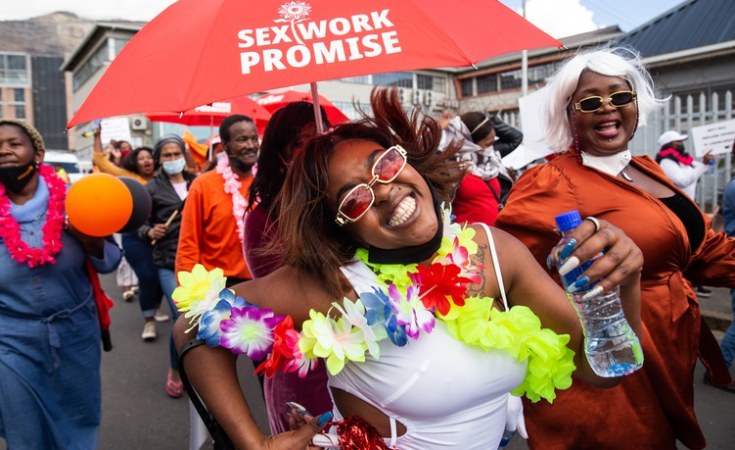
Societal Implications and Public Opinion
The potential decriminalisation of sex work has sparked widespread debate across South Africa. Proponents argue that such a move would uphold the constitutional rights of sex workers, promoting dignity, equality, and access to healthcare. Conversely, opponents express concerns about societal impact, including potential increases in human trafficking and public health challenges. Read study.
Evidence from other jurisdictions suggests that decriminalisation can lead to improved health outcomes and reduced violence against sex workers. Studies have shown that decriminalisation is associated with lower rates of HIV transmission among sex workers. Learn more.
Looking Ahead: A Precedent for Africa
Should the court rule in favour of decriminalisation, South Africa would become the first African nation to adopt such a stance, setting a precedent for the continent. This landmark decision could inspire similar movements in other countries, challenging entrenched legal frameworks and advocating for the rights of marginalised communities.
Conclusion
As South Africa stands at this crossroads, the outcome of the Western Cape High Court’s deliberations will not only shape the future of sex work legislation but also reflect the nation’s commitment to human rights and social justice. The path forward remains uncertain, but the ongoing legal proceedings signify a crucial step towards a more inclusive and equitable society.
Note: This blog post is based on information available as of September 2025. For the latest updates, please refer to official government publications and reputable news sources.